



Every Resident Has a Story. Care Begins There.
An Optional Premium Service we offer to care facilities.
When someone moves into assisted living, memory care, or receives care at home, they often become known first by their medical history. Their chart tells caregivers about medications, diagnoses, allergies, and mobility. But it doesn’t tell them who the person is.
At Storeykeeper, we believe the best care begins with knowing the individual.
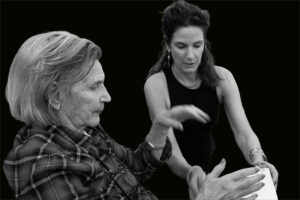
A Storeykeeper Resident Story is a professionally guided video interview that introduces the person behind the medical record. In just 15–30 minutes, residents share the experiences, values, relationships, accomplishments, and memories that have shaped their lives. They talk about what brings them joy, what comforts them, how they prefer to be addressed, and the people and moments that matter most.
The result is much more than a family keepsake. It becomes a practical resource that helps caregivers build genuine human connections from the very first meeting.
Why It Matters
Research into life-story work and digital life stories has shown that when caregivers know more about a resident’s personal history, they are better able to provide person-centered care. Studies have found that life-story videos and similar interventions can:
- Help caregivers understand the individual behind the diagnosis.
- Improve communication and strengthen relationships between staff and residents.
- Support more personalized care by identifying preferences, interests, and meaningful life experiences.
- Provide conversation starters that reduce social isolation and encourage engagement.
- Help families feel that their loved one’s identity is recognized and respected.
- Reinforce dignity by ensuring residents are known for their lives—not simply their conditions.
For residents living with memory loss or dementia, these personal stories can become especially valuable. Even as memories change, identity remains important. Knowing someone’s favorite music, career, family traditions, military service, hobbies, or lifelong passions helps caregivers connect with the person they are caring for.
Benefits for Families
Families often worry that a loved one entering care will become “just another resident.”
A Storeykeeper interview captures their voice, personality, humor, wisdom, and memories while they are still able to tell their own story. It creates a lasting record that children, grandchildren, and future generations will treasure.
At the same time, it gives caregivers a meaningful introduction that no medical chart can provide.
A Simple Addition to the Admission Process
A Resident Story can be recorded before or shortly after admission and shared—with the resident’s permission—with family members and selected care staff.
In less than half an hour, caregivers gain something that would otherwise take months to learn: the privilege of knowing the person before providing the care.
Because every resident deserves to be known by their story before they are known by their diagnosis.